For generations, the conversation around cavities has been fairly simple: once decay develops, the dentist removes the damaged portion of the tooth and places a filling.
But what happens before a cavity reaches that point?
Today, advances in preventive and minimally invasive dentistry are giving dentists new ways to intervene earlier. One of those innovations is Curodont Repair, a peptide-based treatment designed to support the remineralization of enamel when tooth decay is still in its earliest stages.
At Reveal Dental in Cedar Park, we believe that preserving as much healthy, natural tooth structure as possible should always be part of the conversation. Understanding early decay—and treating it before it progresses—can sometimes help us do exactly that.
A Cavity Doesn’t Develop Overnight
Tooth decay is a process.
Before there is a visible hole in the tooth, acids produced by bacteria can begin pulling minerals from the enamel. This process is called demineralization.
At this early stage, the enamel surface may still be intact. Your dentist may notice an area on an exam or X-ray that has begun losing minerals, or you may see a chalky white spot on the tooth.
These early areas are known as non-cavitated or initial caries lesions.
And this distinction matters because early enamel lesions may still have the potential to remineralize.
What Is Curodont Repair?
Curodont Repair is a non-invasive dental treatment that uses a self-assembling peptide called P11-4.
Peptides are small chains of amino acids, the same basic building blocks used throughout the body.
When Curodont is applied to an appropriate early enamel lesion, the peptide moves into the microscopic spaces within the demineralized enamel. There, it self-assembles into a three-dimensional structure that acts as a scaffold.
Calcium and phosphate naturally present in saliva can then collect around that structure, supporting the formation of new mineral within the affected area.
Rather than drilling away tooth structure, the goal is to encourage the tooth’s own mineral environment to strengthen the early lesion.
Research published in The Journal of the American Dental Association has found that P11-4 treatment can improve the arrest of initial caries lesions and reduce lesion size, although researchers also note that longer-term studies are still needed.
Does That Mean Curodont Can Heal Every Cavity?
No—and this is an important distinction.
Curodont is designed for early decay where the tooth surface has not yet broken down.
Once bacteria and decay have created an actual cavity or hole in the tooth, the missing tooth structure cannot simply grow back. In those situations, a filling, crown, or another restorative treatment may still be necessary.
Think of Curodont as an opportunity to intervene during an earlier window—before the condition progresses to the point where removing tooth structure becomes necessary.
Who May Be a Candidate?
Curodont may be considered for patients with:
- Early, non-cavitated enamel decay
- Beginning lesions found during routine dental exams
- White spot lesions, including some that develop around orthodontic brackets
- Areas of demineralization where the enamel surface remains intact
- A desire for the most conservative treatment appropriate for their condition
The treatment itself is typically straightforward. The tooth is cleaned and prepared, the material is applied directly to the affected area, and the peptide penetrates the enamel. There is generally no drilling or anesthesia involved.
Your dentist may also recommend fluoride and changes to home care, nutrition, saliva support, or cleaning habits depending on what is contributing to your cavity risk.
Early Detection Changes Your Options
Perhaps the most exciting part of technologies like Curodont isn’t simply the peptide itself.
It’s what it represents: dentistry doesn’t always have to begin with drilling.
When we identify tooth decay early, we may have more opportunities to preserve healthy enamel, strengthen vulnerable areas, and prevent a small problem from becoming a larger restoration.
That is one more reason routine dental exams matter—even when nothing hurts.
At Reveal Dental in Cedar Park, our approach combines advanced technology with personalized, conservative care. If you’ve been told you have an early cavity or areas of enamel demineralization, ask us what stage the decay is in and what treatment options may be appropriate.
The earlier we identify changes in your enamel, the more options we may have to protect your natural smile.
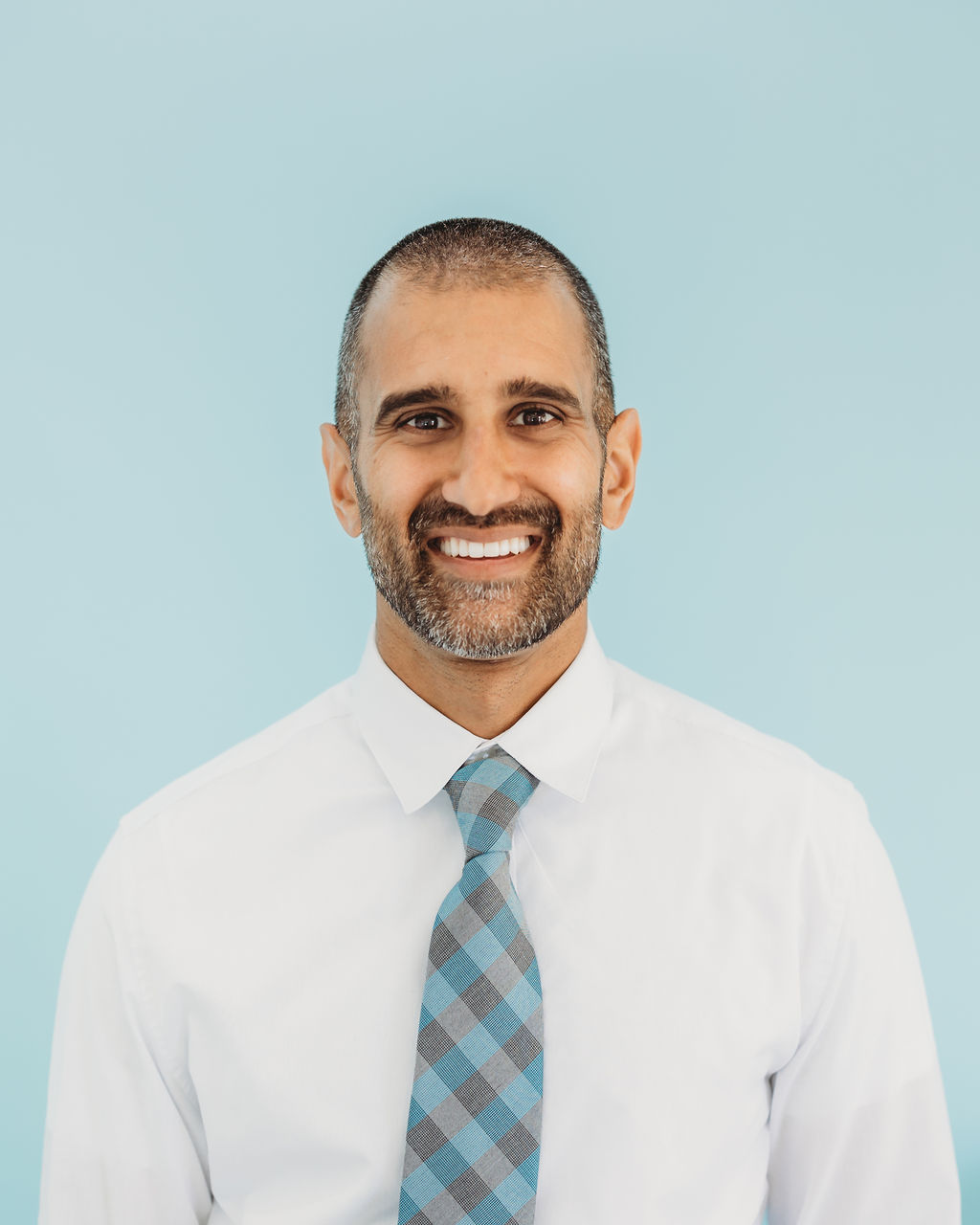
Submitted by Dr. Alkesh C. Sura
Dr. Alkesh C. Sura is the founder and lead dentist at Reveal Dental in Cedar Park, Texas. A North Carolina native, Dr. Sura earned both his Bachelor of Science in Public Health and Doctor of Dental Surgery degrees from the University of North Carolina at Chapel Hill.