When people think about visiting the dentist, many feel scared or anxious. Dental anxiety can cause individuals to put off necessary care, whether it’s because of a bad experience in the past or just basic fear about dental operations. Regrettably, postponing treatment often lets minor dental issues worsen and become more complex. Fortunately, Reveal Dental in Cedar Park provides a safe, effective way to help patients feel more at ease during consultations.
What is Dental Sedation and How Does It Work?
Medication is used in dental sedation, or oral sedation dentistry, to help patients relax during dental procedures, including tooth extractions or dental implants. Some call dental sedation sleep dentistry. When receiving IV sedation dentistry, patients are normally awake, except those under general anesthesia.
Minimal sedation, moderate sedation, deep sedation, and general anesthesia are among the sedation levels commonly used during dental procedures. General anesthesia will cause you to be entirely unconscious, whereas minimal sedation will leave you wide awake.
Is Dental Sedation Safe for Patients?
Today’s dental sedation techniques have few dangers and few adverse effects. Sedation generally results in a quicker recovery than general anesthesia. Sedation for dental treatments is regarded as safe for healthy individuals when administered and supervised by a qualified Dentist.
When sedation is being utilized, it is advised that someone else drive you to your appointment due to drowsiness. People with underlying medical conditions are more susceptible to the effects of sedation and anesthesia.
What are the Risks and Side Effects of Dental Sedation?
Risks
Breathing issues: Sedatives may slow your breathing or, in rare instances, stop it entirely.
Heart complications: Some sedatives may alter blood pressure or heart rhythm, which could be harmful, particularly for people who already have heart problems.
Allergic reactions: Patients may respond negatively to sedatives, although this is uncommon.
Oversedation: Prolonged sleepiness, or, in difficult situations, unconsciousness.
Drug interactions: Sedatives may interact negatively with other drugs.
Side Effects
Drowsiness: Following the surgery, most patients experience drowsiness for several hours.
Vomiting or nausea: This is a known adverse effect, particularly with oral or intravenous sedation.
Dry mouth: Sedatives frequently cause a temporary dry mouth by reducing salivary flow.
Headaches: Some people may experience mild to moderate headaches after the sedation wears off.
Memory loss: Momentary amnesia is common, especially at higher sedative levels.
What Types of Dental Sedation are Available?
Mild Sedation
Laughing gas, or nitrous oxide, is combined with oxygen. A nasal cannula is used to inhale the gas. Nitrous oxide is safe for adults and children and can be reversed by increasing oxygen.
The patient remains awake and conscious during the process, yet is peaceful and at ease. Extractions, crowns, implants, root canals, and fillings all require this kind of anesthesia.
Moderate Sedation
Reveal Dental offers moderate sedation using oral medication to help patients feel more relaxed during dental procedures. You will remain awake throughout the procedure, although you may not remember all of it afterward. This option may be recommended for patients who experience dental anxiety during procedures such as tooth extractions, crowns, dental implant placement, and root canals.
Deep Sedation
Intravenous deep sedation is used. Amnesia occurs during twilight sleep. The patient will be conscious but barely conscious.
This state is less painful. Extensive root canals, crowns, implants, and numerous extractions often require this level of sedation.
General Anesthesia
General anesthesia is the most effective kind of sedation; during the procedure, the patient is rendered completely unconscious. After this treatment, you will need a driver to get you home because you will not be permitted to drive. Extensive root canals, implants, and numerous extractions all require this kind of anesthesia.
How should You Prepare for Dental Sedation?
Limit what you eat and drink
The night before your planned dental operation, you will often not be permitted to eat or drink anything after midnight. If you take medication, take it as usual along with a small sip of water.
Drive carefully to and from the appointment
It is essential that you have a reliable person drive you to and from your dentist appointment because driving while under the influence of sedation is not safe.
Take off jewelry, lenses, and other restorations
On the day of your visit, you must choose to wear glasses if you normally use contact lenses. For most of the operation, your eyes will be closed, so wearing lenses is not a good idea. You should also take off any jewelry you typically wear.
Is Dental Sedation Right for You?
If you suffer from dental anxiety, have a strong gag reflex, find it difficult to sit comfortably during treatment, or require several treatments in a single visit, dental sedation might be a good alternative. It might ease your anxiety and make scheduling dental appointments simpler. The appropriate kind of sedation, however, is determined by your anxiety level, current medications, medical history, and the necessary course of treatment.
Your dentist will evaluate your health and review your options, such as nitrous oxide, oral sedation, and IV sedation dentistry. To ensure your safety and comfort, always disclose any current medical issues or allergies before treatment.
Feel at Ease Going to the Dentist with Sedation Dentistry
Sedation dentistry may help you have a more comfortable, relaxed experience if dental anxiety has kept you from getting the care you need. At Reveal Dental, we will thoroughly assess your needs, respond to your enquiries, and recommend the safest sedative option for your treatment plan. Book an appointment
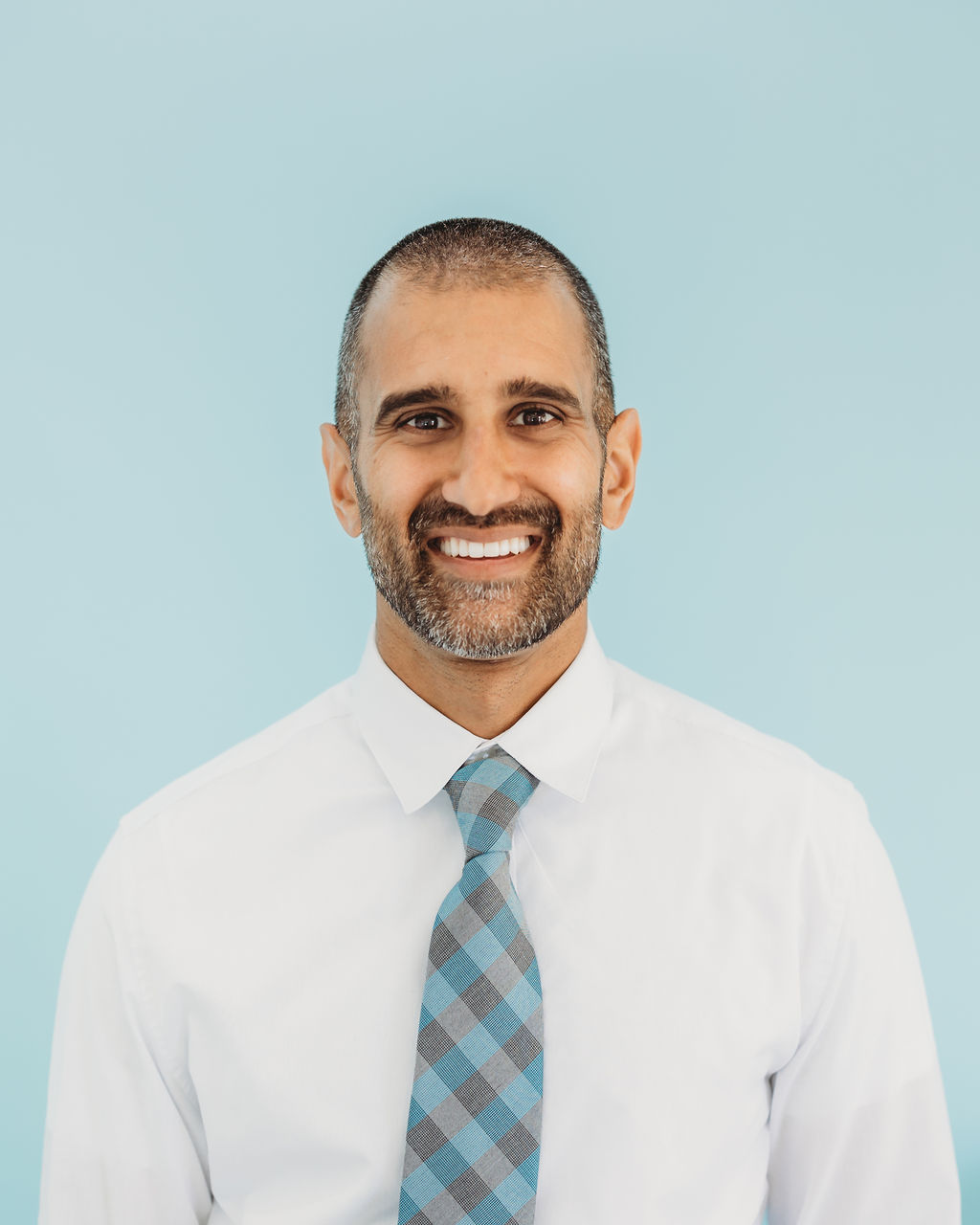
Submitted by Dr. Alkesh C. Sura
Dr. Alkesh C. Sura is the founder and lead dentist at Reveal Dental in Cedar Park, Texas. A North Carolina native, Dr. Sura earned both his Bachelor of Science in Public Health and Doctor of Dental Surgery degrees from the University of North Carolina at Chapel Hill.