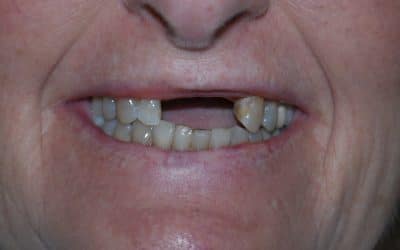
If your child appears to be growing an extra tooth, or if you notice what looks like “two rows of teeth,” it can feel surprising at first. Many parents immediately wonder: Is this normal? Is it dangerous? Will my child need a tooth removed?
One possible explanation is a condition called hyperdontia, also known as supernumerary teeth. Hyperdontia simply means that a person has more teeth than the usual number. In adults, that generally means more than 32 permanent teeth. In children, it may appear as an extra tooth developing alongside the normal baby or adult teeth. (Cleveland Clinic)
The good news is that hyperdontia can often be managed well with early evaluation, dental imaging, and a personalized treatment plan. Not every extra tooth needs to be removed right away, but it should be checked by a dentist so you know whether it is affecting your child’s smile development.
What Is Hyperdontia?
Hyperdontia is the dental term for having extra teeth. These extra teeth are called supernumerary teeth. They can develop in different areas of the mouth and may appear in baby teeth or permanent teeth, though they are often noticed when adult teeth begin coming in.
Sometimes, the extra tooth is easy to see. Other times, it remains hidden under the gums and is only discovered on a dental X-ray. That is one reason routine dental visits are so important during childhood. A child’s mouth is constantly changing, and X-rays can help dentists see what is happening beneath the surface before a problem becomes more complicated.
Extra teeth can vary in shape and size. Some look similar to a normal tooth, while others may be smaller, cone-shaped, or positioned in a way that affects nearby teeth.
What Causes Hyperdontia?
The exact cause of hyperdontia is not always known. In many cases, it is related to the way teeth develop before they erupt into the mouth.
Parents should know this clearly: hyperdontia is not caused by anything you did wrong. It is not the result of poor brushing, eating certain foods, or missing a dental visit. It is a developmental dental condition.
In some cases, extra teeth may be associated with genetic factors or certain medical conditions, but many children with an extra tooth are otherwise healthy. Your dentist can help determine whether the extra tooth appears to be an isolated finding or whether additional evaluation may be helpful.
Hyperdontia Symptoms Parents May Notice
Some children with hyperdontia do not have any obvious symptoms at first. In fact, the extra tooth may not be visible at all. Other times, parents may notice changes in how the teeth are growing in.
Possible signs of hyperdontia include:
- An extra visible tooth
- Two rows of teeth
- Crowding or overlapping teeth
- A baby tooth that does not fall out
- An adult tooth that is delayed coming in
- A tooth coming in at an unusual angle
- Spacing changes
- Discomfort or pressure
- Difficulty brushing or flossing in one area
- Changes in bite or alignment
One common situation parents notice is when a permanent tooth starts coming in behind a baby tooth. This can sometimes look like “shark teeth.” While this is not always hyperdontia, it is still a good reason to schedule a dental visit. A dentist can determine whether your child has an extra tooth, delayed baby tooth loss, crowding, or another eruption pattern that needs to be monitored.
Is Hyperdontia Dangerous?
Hyperdontia is not always dangerous, and it is not always an emergency. However, it should be evaluated.
The concern is not simply that an extra tooth exists. The concern is whether that extra tooth is interfering with normal tooth development, comfort, oral hygiene, or bite alignment.
An untreated extra tooth may sometimes contribute to:
- Crowding
- Delayed eruption of permanent teeth
- Impacted teeth
- Misalignment
- Bite problems
- Plaque buildup in hard-to-clean areas
- Gum irritation
- Cysts or other complications in rare cases
The American Academy of Pediatric Dentistry emphasizes the importance of gathering diagnostic information and making informed decisions about timing, sequence, and treatment when managing developing teeth and occlusion in children. (AAPD)
In simple terms, the earlier a dentist can evaluate your child’s tooth development, the easier it is to decide whether the extra tooth should be monitored or treated.
How Is Hyperdontia Diagnosed?
Hyperdontia is diagnosed through a dental exam and, in many cases, dental X-rays.
During the visit, the dentist will look at your child’s teeth, gums, bite, spacing, and eruption pattern. If an extra tooth is suspected, X-rays can show whether the tooth is fully erupted, partially erupted, or still beneath the gums.
Dental imaging can also help answer important questions, such as:
Where is the extra tooth located?
Is it blocking an adult tooth?
Is it affecting nearby roots?
Is it causing crowding?
Does it need to be removed now, or can it be watched?
Will orthodontic care be needed later?
This is why searching online for “hyperdontia images” can only help so much. Photos may show what extra teeth can look like, but they cannot tell you what is happening below your child’s gumline. A dental X-ray gives a much clearer picture.
Hyperdontia Treatment Options
Treatment for hyperdontia depends on your child’s age, the location of the extra tooth, whether the tooth has erupted, and whether it is causing problems.
In some cases, the best option is simply to monitor the extra tooth over time. If the tooth is not affecting eruption, bite, or hygiene, your dentist may recommend regular checkups and X-rays.
In other cases, treatment may include:
- Monitoring and observation
- Dental cleanings and preventive care
- Removal of the extra tooth
- Space management
- Orthodontic evaluation
- Follow-up visits to monitor adult tooth eruption
Cleveland Clinic notes that when extra teeth cause oral health issues, removal can help. Gentle Dental also explains that treatment is individualized and may depend on factors such as age, tooth location, symptoms, and whether the tooth has erupted. (Cleveland Clinic)
The key is that there is no one-size-fits-all answer. Some children need treatment quickly. Others simply need monitoring.
When Is Hyperdontia Removal Needed?
Hyperdontia removal may be recommended when the extra tooth is creating or likely to create a dental concern.
Removal may be considered if the extra tooth is:
- Blocking a permanent tooth
- Causing crowding
- Pushing nearby teeth out of position
- Creating discomfort or pressure
- Making brushing or flossing difficult
- Affecting the bite
- Interfering with orthodontic treatment
- Increasing the risk of future complications
Parents often worry that removal sounds intimidating, but in many cases, early evaluation helps make treatment more straightforward. If removal is needed, your dentist will explain the process, timing, comfort options, and any follow-up care.
The goal is always to protect your child’s long-term smile development while keeping the experience as calm and comfortable as possible.
When Should You Schedule a Dental Visit?
You should schedule a dental visit if you notice:
- An extra tooth
- Two rows of teeth
- A permanent tooth coming in behind a baby tooth
- A baby tooth that will not loosen
- Crowding or shifting
- Pain, pressure, or gum irritation
- A tooth coming in at an unusual angle
- Concerns about your child’s bite or alignment
Even if treatment is not needed right away, getting answers early can bring peace of mind.
Hyperdontia Care in Cedar Park, TX
At Reveal Dental in Cedar Park, we help families understand what is happening as their child’s smile develops. Whether your child has an extra tooth, delayed tooth eruption, crowding, or a baby tooth that is not falling out, our team can evaluate the situation and guide you through the next step.
With gentle care, digital imaging, and a personalized approach, Dr. Sura and the Reveal Dental team can help determine whether your child’s extra tooth should be monitored or treated.
If you are concerned about hyperdontia, extra teeth, or your child’s dental development, we would be happy to help.
Schedule your child’s visit online

Submitted by Dr. Alkesh C. Sura
Dr. Alkesh C. Sura is the founder and lead dentist at Reveal Dental in Cedar Park, Texas. A North Carolina native, Dr. Sura earned both his Bachelor of Science in Public Health and Doctor of Dental Surgery degrees from the University of North Carolina at Chapel Hill.