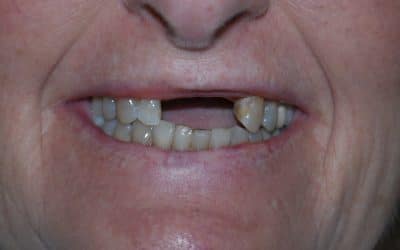
The intriguing thing about dental implants is that they have evolved in dentistry, offering a durable and aesthetically pleasing alternative for those missing teeth. They are now a popular option for improving oral health and restoring smiles. However, not every dental implant is designed to function in the same manner. Dental implants come in a variety of forms, each with special qualities and applications.
You may improve your quality of life and restore your smile by making educated decisions if you know what dental implants are. To help you feel confident about your next step toward a better smile, this guide explains what dental implants are, how they work, their advantages, the various types, treatment processes, recovery expectations, and pricing considerations.
What are Dental Implants and How Do They Work?
Dental implant surgery replaces missing or damaged teeth with artificial teeth that resemble and function like natural teeth, and replaces tooth roots with metal, screw-like posts. When bridgework or dentures don’t fit well, dental implant surgery may be a good option. When there aren’t enough natural tooth roots to support dentures or to construct dental replacements, such as bridgework, this procedure may also be an option. Dental implant surgery depends on the type of implant and the condition of the jawbone.
There could be multiple procedures included in this surgery. The main advantage of implants is that they provide strong support for the new teeth, which necessitates that the bone repair firmly around the implant. The process can take several months since bone repair takes time.
Benefits of Choosing Dental Implants
They prevent changes in facial form and stimulate bone growth.
Over time, losing a tooth can cause considerable bone loss, which can modify the structure of your jaw and the shape of your face. The only tooth replacement option that genuinely promotes bone growth, stops bone loss, and preserves your face’s shape is dental implants.
They lower the chance of gum disease.
A lost tooth leads to gum recession, an open pocket where germs can proliferate, and bone loss. Furthermore, dentures and bridges often create more difficult-to-reach areas where bacteria can accumulate. Gum disease and infection may result from this.
They make it possible to chew meals regularly and consume nutritious food.
It might be challenging to chew some nutrient-dense foods, like fruits, vegetables, and protein, even if you are missing one tooth. Consequently, you can cut out these essential foods from your regular diet, which poses a serious health danger. Weight gain from a bad diet high in soft, processed foods can result in several problems, such as diabetes and cardiovascular disease. Dental implants facilitate natural chewing and make it simple to consume wholesome foods that are good for the whole body.
They enhance mental well-being.
Because dental implants feel, look, fit, and function like healthy, natural teeth, they have a profound impact on confidence. It’s normal to feel self-conscious about your appearance and be reluctant to participate in activities or conversations while you are missing a tooth. Implants don’t slip or click, so that you can eat, laugh, smile, and talk normally. Restoring your freedom to live your life as you see fit gives you confidence and peace of mind.
Prioritizing dental hygiene
Investing in implants increases your likelihood of taking better care of yourself. As a result, many patients who are offered a second chance at a beautiful smile prioritize maintaining a good oral hygiene regimen.
Because of our dedication to cutting-edge technology, patient comfort, and individualized treatment planning, patients seeking premium dental implants in Cedar Park, TX, frequently choose Reveal Dental.
Types of Dental Implants and Materials Used
Single Tooth Implants: When a single tooth is lost, a single-tooth implant is utilized. Without harming the neighboring teeth, the implant provides a natural-looking substitute by supporting a custom dental crown.
Implant-Supported Bridges: Implant-supported bridges provide a reliable alternative to conventional bridges for patients who have lost several teeth in succession. Implants firmly attach the bridge in place rather than depending on natural teeth for support.
Full Mouth Dental Implants: Full-mouth restoration options may be advantageous for patients who have lost all or most of their teeth. When you are thinking about all-on-4 dental implants, a procedure that uses four carefully positioned implants to support a full arch of replacement teeth, is a common choice.
For individuals seeking an effective full-mouth repair, it’s critical to understand all four dental implants. This procedure offers robust support for an entire set of teeth while reducing the number of implants required. Compared to conventional full-mouth implants, this option often involves fewer procedures and a faster recovery time, which is why many patients choose it.
Implant-Supported Dentures: For increased stability and comfort, these dentures firmly fasten to dental implants. The patient may choose to have them permanently fixed or detachable.
Materials Used for Dental Implants
Titanium Implants: Because titanium is robust, lightweight, and extremely compatible with the human body, it is the most widely utilized implant material. It has a lengthy history of successful use in dentistry and integrates well with the jawbone.
Zirconia Implants: Zirconia implants are metal-free alternatives with superior biocompatibility and aesthetic appeal. Patients seeking holistic or metal-free dental solutions often choose them.
Detailed Comparison between Full Mouth and Single Tooth Implants
The goal of the therapy: One lost tooth can be replaced with a single tooth implant without compromising the nearby healthy teeth. Patients who need to replace most or all of the teeth in an upper or lower arch can use full mouth implants.
The quantity of implants needed: For a single replacement tooth, a single-tooth implant usually requires one implant post. To support a whole bridge or denture, full-mouth restorations require the strategic placement of multiple implants.
The restoration type used: A custom dental crown that blends seamlessly with the natural teeth completes single-tooth implants. An implant-supported denture or a fixed bridge are examples of whole-mouth implants that support a complete-arch restoration.
Time and complexity of treatment: Procedures for single-tooth implants are typically easier and may take less time to complete. To reconstruct a whole smile, full-mouth implant treatments require more thorough planning, imaging, and surgical preparation.
Total cost factors: Because fewer implants and restorations are required, single-tooth implants typically have a lower total cost. Although full-mouth implants cost more upfront, they offer complete smile restoration and long-term stability.
Daily maintenance needs: Similar to natural teeth, single tooth implants require routine brushing, flossing, and dental examinations. Consistent dental hygiene is also necessary for whole mouth implants. Depending on the kind of restoration, patients may require extra cleaning methods.
Functionality and stability: Both therapeutic approaches offer superior functionality and stability. However, whole-mouth implant systems provide better support for individuals replacing an entire arch of teeth, particularly for pin procedures such as all-on-four dental implants.
Step-by-Step Dental Implant Procedure
Diagnosis
Before starting treatment, you might need specific radiological (X-ray, CBCT) and hematological (blood tests) tests. This provides us with a very accurate estimate of the treatment duration and aids in treatment planning. Only after discussing the treatment alternatives with the patient is the treatment strategy decided upon.
Phase 1 (Surgery)
If necessary, this may involve bone regeneration techniques or the placement of dental implants. Depending on several variables thoroughly explained to the patient, healing screws or temporary teeth may or may not be inserted in the same sitting.
Phase 2 (Surgery)
To create a healthy gum channel along the route where the teeth will be attached to the implants in the bone, healing screws or bone trainers must be inserted. The healing of the gums surrounding the gingival formers takes three to six weeks. This phase is, nevertheless, typically combined with the initial phase.
Phase 3 (Tooth Placement)
Phase 3 can begin as soon as Phase 2 concludes. The next stage is to position the teeth over the implants after they have osseointegrated with the bone. This stage could take anywhere from 5 days to 3 months. The quantity of teeth, the type of teeth, the need for temporary teeth, and the need for any procedures all play a role.
Sometimes, patients ask are dental implants painful. But modern technology relieves patients and provides them with the utmost comfort during and after surgery.
Recovery, Aftercare, and Long-Term Maintenance
Long-term implant success depends on proper recovery and maintenance.
Quick Recovery Advice
Following implant surgery, patients ought to:
- Consume soft foods for a few days.
- Refrain from drinking and smoking.
- Keep your teeth clean.
- Take prescription drugs as prescribed.
- Steer clear of intense exercise during the early stages of recovery.
Regimen for Oral Hygiene: Like natural teeth, dental implants need to be brushed and flossed regularly. Gum disease and infections can be avoided by practicing good oral hygiene.
Frequent Dental Checkups: Monitoring implant health and ensuring long-term success requires routine examinations and professional cleanings.
Healthful Lifestyle Practices: Maintaining a healthy diet and refraining from tobacco use can greatly extend the life of implants.
General Pricing Overview and What is the Cost of Dental Implants?
Many people considering dental implants want to know what the cost of dental implants is. Dental implant costs might differ based on several factors, such as:
- The quantity of implants required
- Restoration kind
- Criteria for bone grafting
- The procedure’s complexity
- Materials utilized
- Geographical place
In general, full-mouth restorations are more expensive than single-tooth implants. However, due to their stability and longevity, full-mouth implant systems often provide greater long-term value. When enquiring about the cost of dental implants, patients should also consider the long-term advantages of implants over short-term options that may require regular maintenance or replacement.
Reveal Dental Cedar Park Dentistry believes high-quality dental care should be transparent and easily accessible. In close collaboration with patients, our team explains treatment costs, available funding, and individualized care plans. The best method to get an accurate estimate based on your specific needs when investigating dental implant costs is to schedule a consultation.
Success with Dental Implants
Root canal therapy and dental extractions can be significantly more painful than implant surgery, according to numerous patients. In general, dental implants are simpler to implant. It is a single-action therapy that typically yields predictable results.
Maintaining good dental hygiene is essential to the outcome of your implant procedure. Your continued care will be comparable to that of a patient with natural teeth if your dentist is pleased with the course of your treatment.
Why More Patients Are Choosing Our Clinic for Dental Implants in Cedar Park, TX
Preventive Dental Care
Having good dental health is crucial for everyone. If oral health is neglected, serious dental issues may arise in the future, and the smile may no longer appear at its best. Just as the oral hygiene regimen has to be followed to maintain oral health, going for regular dental check-ups, oral exams, and professional cleaning is equally important.
Dental Professionals with Expertise and Experience
Patients can feel secure knowing they are in capable hands when they select a reputable Cedar Park Dentistry. Only excellent, skilled dentists who stay current with dental innovations and offer trustworthy dental advice and treatments are hired by reputable dental clinics. They understand each patient’s specific dental needs and concerns, provide individualized, high-quality care, address all their questions, and provide all the information about their treatment plan.
Guaranteed Quality Patient-Centered Care
Being at a dental office where patients feel valued, listened to, and at ease is what it means to choose an excellent clinic. An excellent dental clinic ensures that all dental appointments proceed as planned, that patients receive the finest care possible, and that any questions they may have are promptly and effectively answered.
Reveal Dental – Restoring Smiles with Care and Confidence
It’s crucial to consider what dental implants are, the options, the costs, and expert guidance when investigating them. When it comes to clinic fees, operating charges, and aftercare regulations, dentists who offer dental implants in Cedar Park, TX, should be well-versed in these matters. There is no one-size-fits-all approach in dentistry, so before choosing a course of treatment, your dentist must thoroughly evaluate and discuss each situation.
We at Reveal Dental, the Cedar Park Dentistry, take great satisfaction in offering our patients individualized, professional care because we believe that everyone should have a beautiful smile. Do not hesitate to call us to schedule an appointment if you would like more information about how our highly skilled team can help you achieve the dazzling white teeth of your dreams. Our welcoming staff is always available to help you have the best possible dental experience.

Submitted by Dr. Alkesh C. Sura
Dr. Alkesh C. Sura is the founder and lead dentist at Reveal Dental in Cedar Park, Texas. A North Carolina native, Dr. Sura earned both his Bachelor of Science in Public Health and Doctor of Dental Surgery degrees from the University of North Carolina at Chapel Hill.