It might be difficult to find the best sleep apnea treatment without CPAP, especially if you have had trouble adjusting to it. Although CPAP is frequently suggested as a first-line treatment, there are other options. Many patients look for different strategies that are more comfortable and simpler to stick with over time.
Thankfully, several effective treatments for sleep apnea without CPAP can greatly enhance both overall health and sleep quality. Our specialty at Reveal Dental in Cedar Park is offering tailored solutions to people seeking sleep apnea treatment without CPAP. This blog will lead you through the best options for helping with sleep apnea without CPAP and show you how dental professionals may be an important part of your care.
About CPAP
Obstructive sleep apnea, a dangerous sleep disorder that causes breathing difficulties while you’re asleep because of constricted airways, can be effectively treated with CPAP therapy. Your blood oxygen levels drop as a result of the obstructed airway, which sets off an arousal reflex that awakens you to breathe even though you’re probably not conscious of it. The quality of your sleep and, eventually, your health may suffer if you stop and start breathing hundreds of times while you’re asleep.
Breathing becomes difficult when the muscles in the back of your throat relax while you sleep, obstructing your airway. Although obstructive sleep apnea can affect anyone, it is more likely in those with obesity, structural abnormalities of the mouth or jaw, or a familial history. A machine, tube, and mask make up CPAP therapy.
By blowing air down the tube into a mask that covers your mouth and nose, the machine creates a continuous stream of pressure that maintains your airway open, allowing you to breathe easily and sleep well. Although CPAP therapy works well, the mask and machine may make it difficult for you to get enough sleep. CPAP isn’t your sole option because sleep apnea therapies have advanced.
Why Some Patients Cannot Tolerate CPAP
Despite the effectiveness of CPAP (Continuous Positive Airway Pressure) therapy, many patients struggle to utilize it regularly. You can determine whether looking into alternative possibilities is right for you by being aware of these difficulties.
- Uncomfortable and ill-fitting: CPAP masks can feel heavy, particularly for side sleepers. Air leakage, skin discomfort, and sleep disturbances might result from an incorrect fit.
- Irritation and Dryness: Due to the constant airflow, many users experience dry mouth, nasal congestion, or throat irritation.
- Disturbance by Noise: A certain amount of noise is produced by even contemporary CPAP machines, which may annoy the user and their partner.
- Anxiety or claustrophobia: Wearing a mask all night can cause claustrophobia, which makes it hard to fall asleep or stay asleep.
- Inconvenience of Lifestyle: Some people stop using CPAP because it can be bulky to travel with or maintain on a regular basis.
If you’ve encountered any of these problems, exploring a treatment for sleep apnea without CPAP might offer a more comfortable and longer-lasting solution.
Effective Sleep Apnea Treatment Options without CPAP
Effective sleep apnea management is possible with several tried-and-true solutions. The severity of your ailment and your unique demands will determine which is best for you.
1. The use of oral appliances
A bespoke oral appliance is one of the most widely used treatments for sleep apnea without CPAP. The purpose of these devices is to maintain an unobstructed airway and realign the jaw as you sleep.
Advantages consist of:
- Easy to wear and comfortable
- Compact and suitable for travel
- Non-intrusive and silent
Patients with mild-to-severe obstructive sleep apnea benefit most from this technique.
2. Lifestyle Changes
Simple lifestyle changes can sometimes greatly reduce symptoms.
- Keeping a healthy weight
- Sleeping on your side as opposed to your back
- Steer clear of alcohol before bed.
- Setting up a regular sleep pattern
To improve outcomes, these adjustments are frequently recommended alongside other therapies.
3. Positional Counseling
Positional therapy can be useful for patients whose sleep apnea gets worse when they lie on their backs. This entails employing certain tools or methods to train your body to sleep on its side.
4. Options for Surgery
Surgery to remove or reduce excess tissue in the airway may be advised in more difficult cases. Although therapy is usually seen as a last resort, some people may find long-term treatment with it.
5. Airway and Nasal Therapies
Apnea episodes can be decreased and airflow improved by treating underlying nasal congestion or structural problems.
The best method to find the best choice for your situation if you’re interested in treatment for sleep apnea without CPAP is to speak with an expert.
How a Dentist Can Help Treat Sleep Apnea
A continuous positive airway pressure (CPAP) machine is typically the initial treatment option when a patient is diagnosed with OSA. But not every patient responds well to a CPAP machine. The doctor will probably recommend that the patient see a dentist if that is not an option. By fitting the patient with an oral device, a dentist can assist.
Patients with mild to moderate OSA benefit most from oral appliance therapy. There are two ways that oral appliances can be helpful. Some of them help prevent the tongue from clogging the airways and slipping back into the throat. To increase breathing space and maintain open airways while you sleep, some devices are designed to move the lower jaw forward.
When to Seek Professional Treatment
Snoring is only one aspect of sleep apnea; it’s a dangerous illness that can affect your whole health. It’s critical to know when to seek professional assistance.
Typical Warning Signs
- Loud, persistent snoring
- Gasping or choking during sleep
- Excessive daytime fatigue
- Morning headaches
- Difficulty concentrating
Untreated sleep apnea can raise the chance of:
- Heart disease
- High blood pressure
- Diabetes
- Stroke
It’s crucial to visit a specialist right away if you have any of these symptoms. You can enhance your quality of life and avoid long-term problems by looking at methods to treat sleep apnea without CPAP.
Reveal Dental in Cedar Park- Your Sleeping Partner
We at Reveal Dental in Cedar Park recognize the individuality of each patient. Because of this, we provide individualized sleep apnea treatment options that do not involve CPAP, with an emphasis on long-term outcomes, comfort, and efficacy. Our staff is committed to using cutting-edge dental procedures and personalized oral devices to treat sleep apnea without the need for CPAP. We can help you at every stage, whether you’ve had trouble with CPAP or are just looking at other options.
Make an appointment for your consultation with Reveal Dental in Cedar Park right now to learn how to manage sleep apnea more comfortably and take the first step toward better sleep and better health!
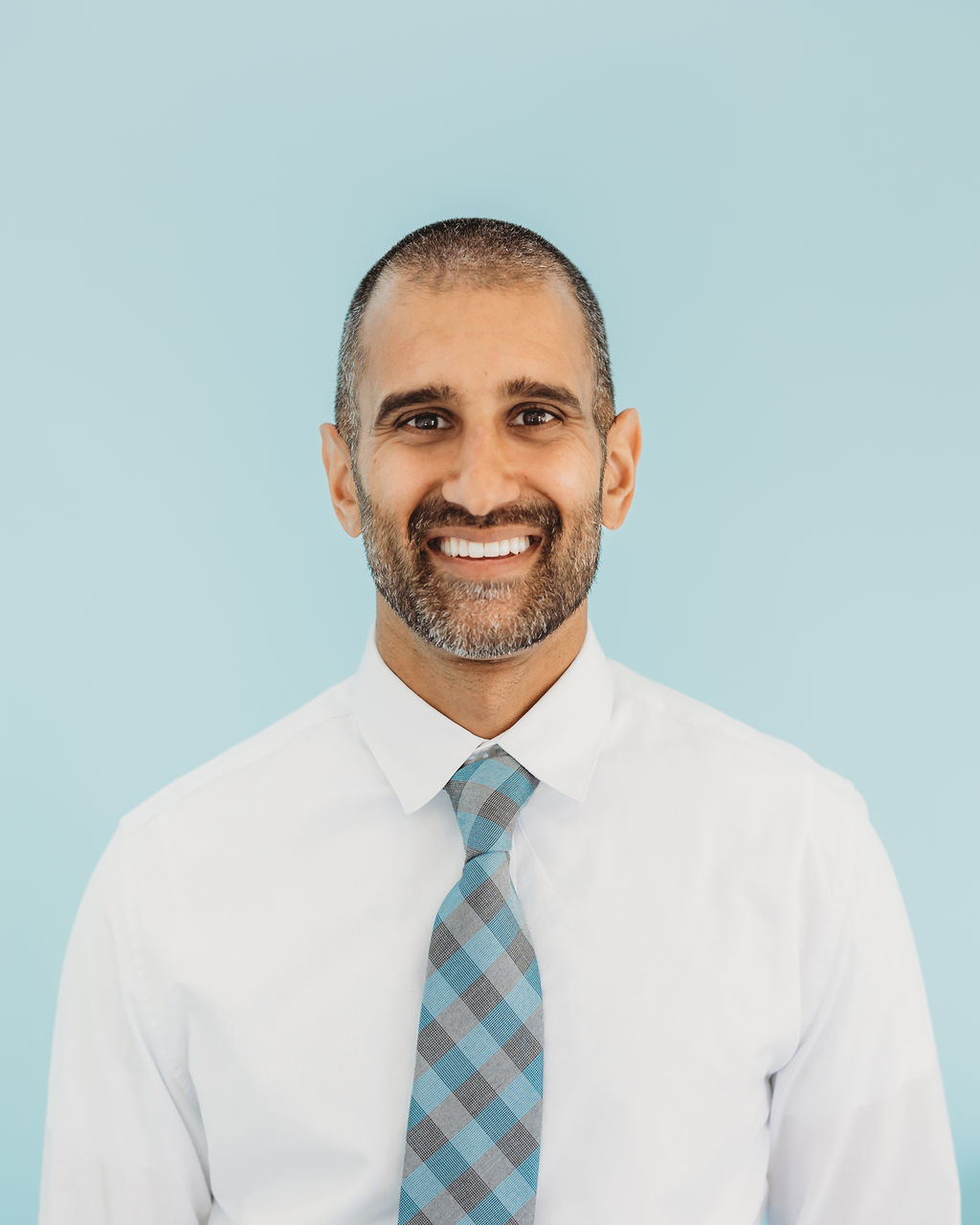
Submitted by Dr. Alkesh C. Sura
Dr. Alkesh C. Sura is the founder and lead dentist at Reveal Dental in Cedar Park, Texas. A North Carolina native, Dr. Sura earned both his Bachelor of Science in Public Health and Doctor of Dental Surgery degrees from the University of North Carolina at Chapel Hill.